
An African safari is more than just a vacation; it's a profound, soul-stirring adventure that connects you to the raw, untamed beauty of the natural world. It’s the thrill of spotting a lioness stalking her prey in the tall grass, the awe of watching a herd of elephants silhouetted against a crimson sunset, and the magic of falling asleep to the distant calls of hyenas.

But "Africa" is a vast continent, and choosing where to go for this trip of a lifetime can be overwhelming. Each country offers a unique tapestry of landscapes, wildlife, and experiences. This guide is here to help you navigate those choices.
What Are the "Big 5" Safari and Why Do They Matter?
You'll hear this term everywhere. The "Big 5" is a classic safari term for the five most difficult and dangerous animals to hunt on foot: the lion, leopard, elephant, African buffalo (or Cape buffalo), and rhinoceros (both black and white). Today, the term is a gold standard for wildlife viewing. While seeing all five is an incredible thrill, your safari will be filled with countless other wonders, from towering giraffes and speedy cheetahs to vibrant birdlife and mischievous monkeys.
Top Safari Destinations at a Glance

Tanzania: Home of the Great Migration
Tanzania is the Africa of your imagination. It's a land of vast, open spaces and staggering wildlife concentrations. The "Northern Circuit" is the country's main draw.

Top Places to Go
Serengeti National Park: This is the primary stage for the Great Wildebeest Migration, an annual spectacle where over 1.5 million wildebeest and zebras circle the plains in a relentless search for fresh grass, facing dramatic river crossings and opportunistic predators.
Ngorongoro Crater: A UNESCO World Heritage Site, this massive, intact volcanic caldera is a self-contained ecosystem, often called "Africa's Eden," where you can see an astonishing density of wildlife, including the Big 5, in a single day.
Tarangire National Park: Known for its large elephant herds and iconic baobab trees.
Tanzania Visa Requirements
Tanzania has a straightforward e-Visa system. It is highly recommended to apply online in advance.
e-Visa: Most foreign nationals can apply for Tanzania Visa and its (single-entry tourist visa). You'll need a passport valid for at least six more months, a digital copy of your passport photo, and your return flight details.
Visa on Arrival (VoA): While VoA is technically available at major entry points like Kilimanjaro Airport, it is strongly discouraged as it can lead to long delays.
Requirements: Always carry a copy of your e-Visa approval, your valid passport, and proof of a return or onward ticket.
Kenya: Classic Safari & Cultural Heartbeat
Kenya is the birthplace of the safari and remains one of the world's most iconic wildlife destinations. It's renowned for its rolling grasslands and rich cultural encounters.
Top Places to Go
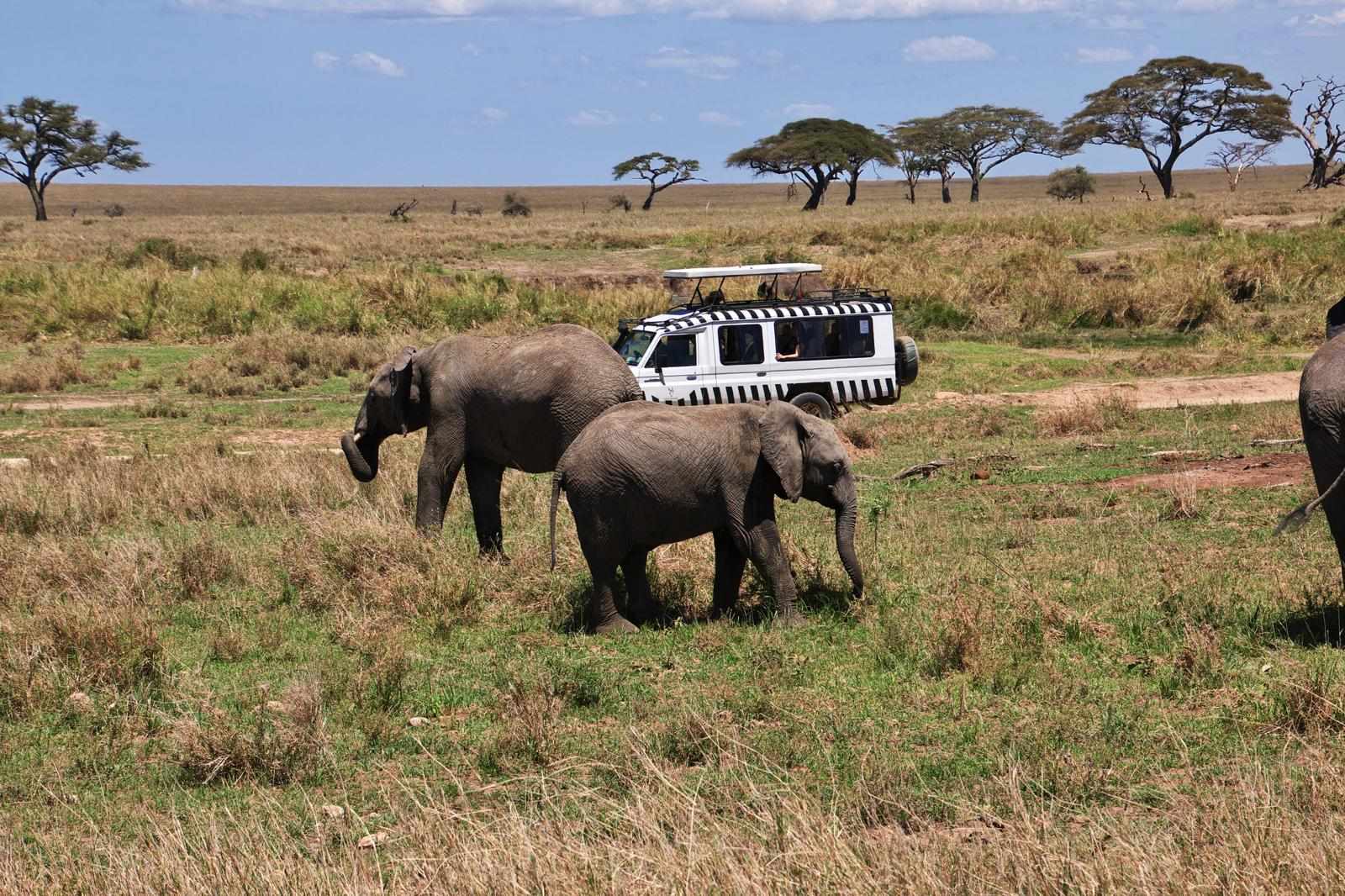
Masai Mara National Reserve: Kenya's crown jewel, it borders Tanzania's Serengeti and hosts the Great Migration's dramatic river crossings from roughly July to October. It offers superb, year-round viewing of big cats, elephants, and giraffes.
Amboseli National Park: Famous for its large elephant herds against the stunning backdrop of Mount Kilimanjaro.
Cultural Visits: Engage with the semi-nomadic Maasai people, visiting their villages and learning about their ancient traditions, which are deeply intertwined with the land and its wildlife.
Kenya Travel Requirements
As of 2024, Kenya has replaced its visa system with the Electronic Travel Authorisation (eTA). This is mandatory for all foreign visitors.
eTA: This is not a visa but a required pre-travel clearance. All travelers must apply online.
Application: You should apply for Kenya ETA at least 3 days before your trip, though 2 weeks is recommended. You'll need your valid passport (6+ months validity), a recent passport photo or selfie, your travel itinerary, and proof of your hotel/accommodation booking.
Entry: Once approved, you will receive an eTA confirmation to present upon arrival.
Kenya vs. Tanzania for a First-Time Safari?

This is the classic safari dilemma! The truth is, you can't go wrong. Both offer the Great Migration and classic Big 5 viewing.
Tanzania boasts larger parks (the Serengeti is vast) and iconic landmarks like Ngorongoro Crater. It can feel a bit more epic and remote.
Kenya can be slightly more affordable, and the Masai Mara is more compact, sometimes making wildlife easier to spot. Its new eTA system is also a streamlined entry process.
Botswana: Jewel of the Kalahari
Botswana offers a different kind of magic. It has adopted a high-cost, low-impact tourism model, resulting in exclusive, pristine, and uncrowded safari experiences.
Top Places to Go
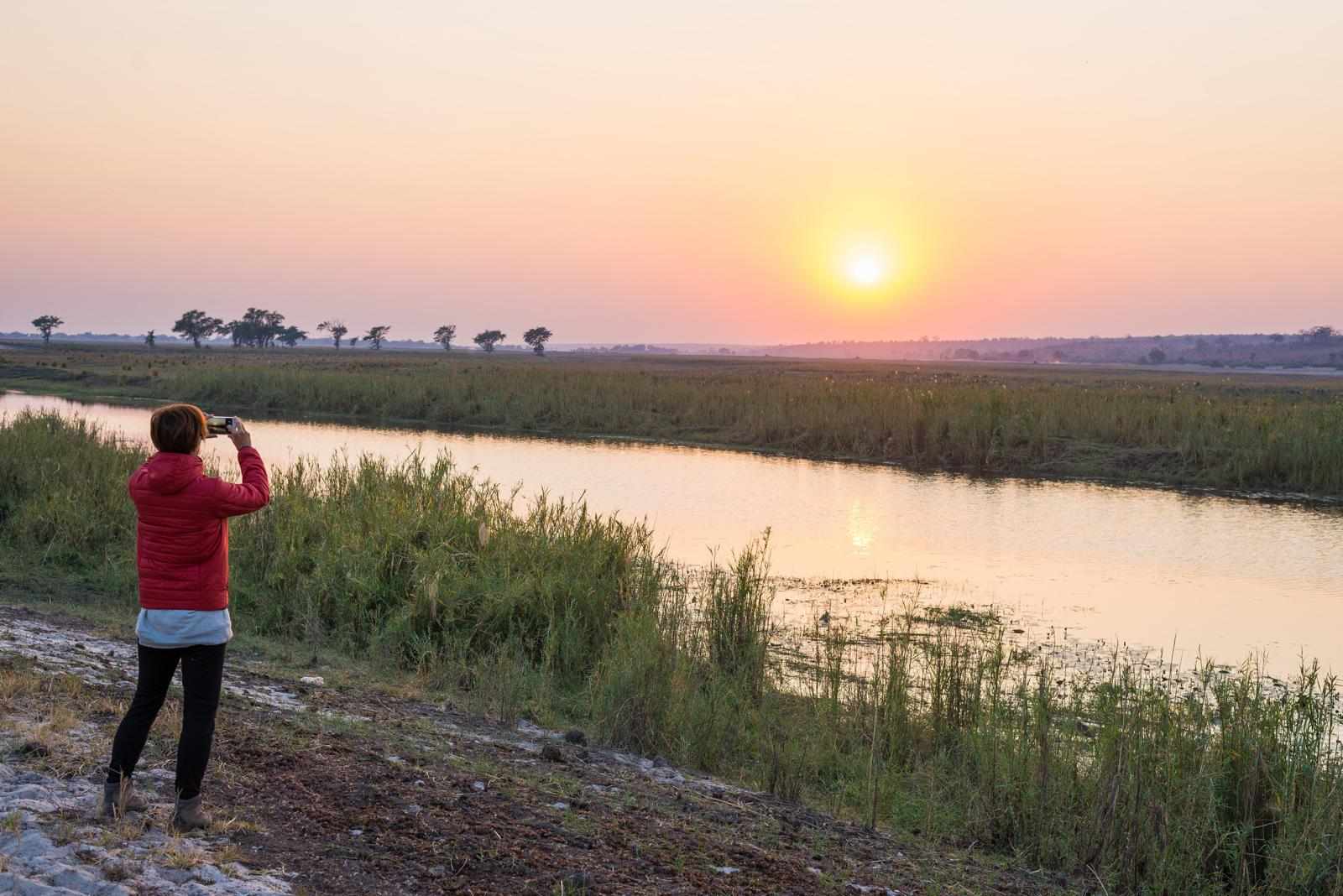
Okavango Delta: A sprawling inland delta that floods seasonally, transforming the Kalahari Desert into a lush, watery maze. Here, you can trade the 4x4 for a mokoro—a traditional dugout canoe—gliding silently through reed-lined channels.
Chobe National Park: Located in the north, this park is famous for boasting one of the largest concentrations of elephants in all of Africa, especially along the Chobe River.
Botswana Tourist Visa Requirements
Visa requirements for Botswana vary significantly by nationality and have been subject to change.
Visa-Exempt Countries: Citizens from many countries (historically including the US, UK, and many EU nations) can enter Botswana for up to 90 days for tourism with just a valid passport.
e-Visa: Botswana launched its e-visa system in 2021. Travelers should always check the list of eligible countries for Botswana eVisa in advance to confirm whether their nationality requires an eVisa.
Requirements: At a minimum, you will need a passport valid for at least six months from your date of entry and with at least three blank pages.
South Africa: "World in One Country"
South Africa is perhaps the most diverse safari destination. It's perfect for travelers who want to combine world-class wildlife with other experiences like stunning coastlines, vibrant cities, and renowned wineries.

Top Places to Go
Kruger National Park: A massive, well-managed reserve offering outstanding and reliable Big 5 sightings. Its network of excellent roads also makes it a popular choice for self-drive safaris.
Sabi Sand Game Reserve: Adjoining Kruger, this private reserve is legendary for having some of the best and most reliable leopard-viewing on the continent.
Other Experiences: Easily combine your safari with a visit to Cape Town, the coastal Garden Route, or the nearby Winelands.
Malaria-Free Safaris
This is a major draw for South Africa, especially for families with young children. Parks like Madikwe Game Reserve and Pilanesberg National Park (both near Johannesburg) and numerous private reserves in the Eastern Cape offer incredible Big 5 safaris in completely malaria-free zones.
South Africa Travel Requirements
South Africa has a very accommodating visa policy for many foreign tourists.
Visa-Exempt Countries: A large number of countries (including the USA, UK, Canada, Australia, and most of the EU) are visa-exempt for tourist stays of up to 90 days. You simply need a valid passport.
e-Visa: For travelers from countries that require a visa (such as India, Nigeria, and China), South Africa provides an e-Visa system. Check the list of South Africa Visa eligible countries to confirm your eligibility.
Requirements: Your passport must be valid for at least 30 days after your intended departure date and must have at least two blank pages for stamps.
Namibia: A Safari of Desert Dunes
Namibia is a land of stark contrasts and breathtaking, otherworldly landscapes. This is not your typical lush, green safari. Here, wildlife has adapted to one of the oldest deserts in the world.

Top Places to Go
Etosha National Park: The premier wildlife hub, centered around a vast, shimmering salt pan. During the dry season, animals congregate in huge numbers at the park's man-made waterholes, making for extraordinary and easy-to-observe wildlife viewing.
Sossusvlei: Famous for its towering, apricot-colored sand dunes, which are a photographer's dream.
Damaraland: A rugged, rocky landscape where you can track rare desert-adapted elephants and rhinos.
Namibia Travel Requirements
Important Update: Namibia's visa policy has recently changed.
Visa on Arrival (VoA): Effective from 2025, many nationalities that were previously visa-exempt (including the US, UK, Canada, Germany, and others) now require an e-visa.
Process: Now, visitors can secure their visa online or obtain one on arrival at major airports and border posts for approximately. You will need to fill out a Namibia Tourist eVisa form and pay a fee.
Requirements: Ensure your passport is valid for at least six months from your date of entry and has several blank pages.
Rwanda: Gorilla Encounters
For one of the most profound wildlife encounters on Earth, look to Rwanda. While not a traditional Big 5 destination (though Akagera National Park is being successfully restocked), Rwanda is the world's premier destination for mountain gorilla trekking.
Top Places to Go
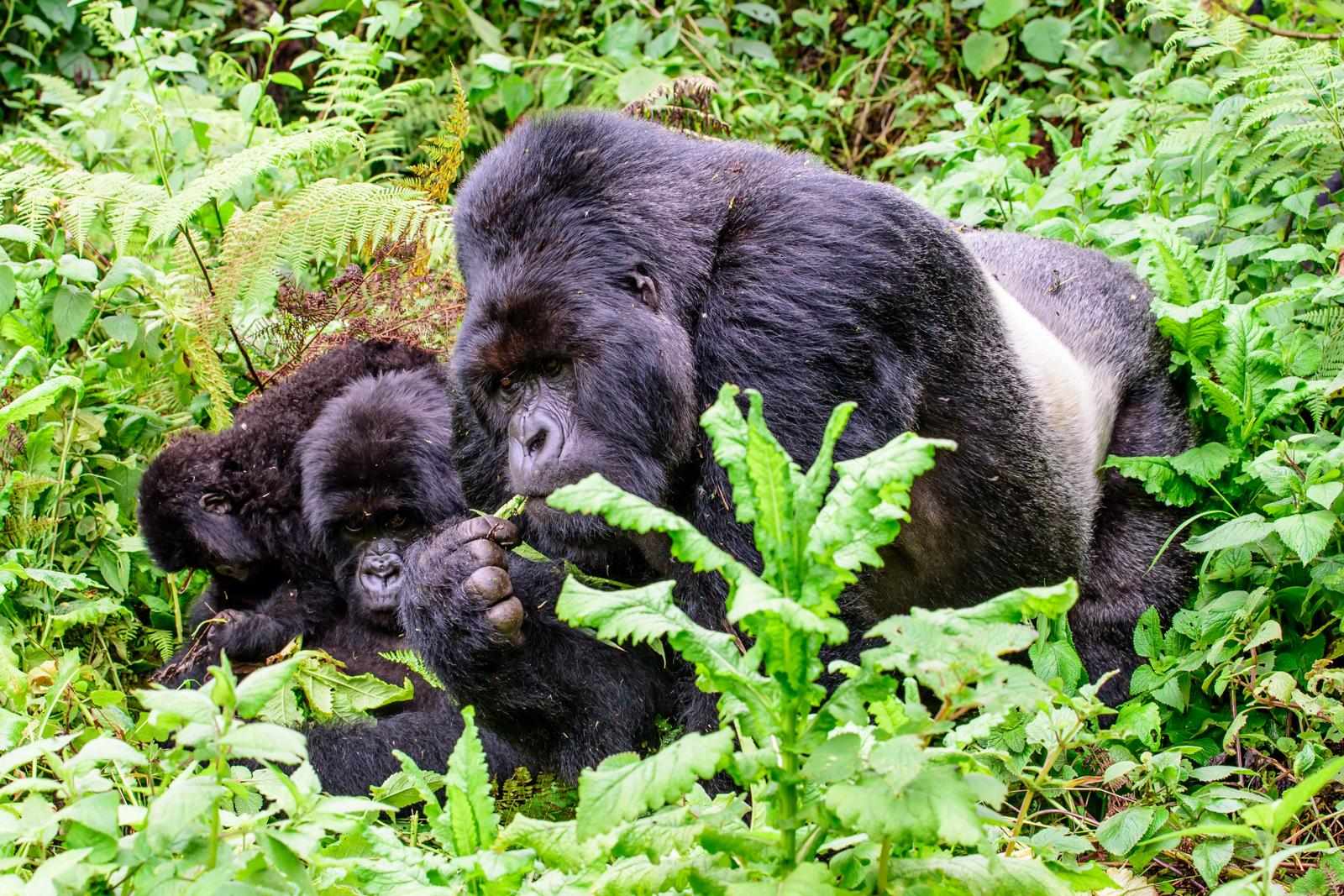
Volcanoes National Park: In this misty, jungle-clad park, small groups hike with expert trackers to spend one magical hour with a habituated gorilla family. Making eye contact with a giant silverback or watching youngsters tumble and play is a humbling, unforgettable experience.
Akagera National Park: Now a successful Big 5 park, offering a more traditional safari experience.
Nyungwe Forest National Park: A beautiful montane rainforest, home to chimpanzees and other primates.
Rwanda Visa Requirements
Rwanda has one of the most open visa policies in the world.
Visa on Arrival (VoA): Citizens of all countries can obtain a visa on arrival for a stay of up to 30 days.
Exemptions: Citizens of African Union, Commonwealth, and La Francophonie member countries can receive a free 30-day visa on arrival.
e-Visa: If you prefer to sort everything before your trip, you can apply for the Rwanda eVisa online. The process is straightforward, and approvals are usually quick and convenient.
Requirements: A valid passport with at least six months of validity is required.
Uganda: The "Pearl of Africa"
Winston Churchill dubbed Uganda the "Pearl of Africa" for its stunning landscapes. It offers a fantastic combination of both primate trekking and classic "Big 5" safaris.

Top Places to Go
Bwindi Impenetrable Forest: Like Rwanda, this park offers world-class gorilla trekking and is home to nearly half of the world's remaining mountain gorillas.
Queen Elizabeth National Park: A classic safari destination, famous for its unique tree-climbing lions and boat safaris on the Kazinga Channel.
Murchison Falls National Park: Offers powerful waterfalls (where the Nile River funnels through a narrow gorge) and boat trips to see hippos, crocodiles, and abundant birdlife.
Uganda Visa Requirements
Uganda requires nearly all foreign visitors to obtain a visa online before traveling.
e-Visa (Mandatory): You must apply for Uganda visa online before your trip. A visa on arrival is generally not an option.
Requirements: You will need a passport valid for at least six months, a digital copy of your passport photo, and, critically, a valid Yellow Fever Vaccination Certificate. You cannot apply for the e-Visa without proof of this vaccination.
East African Tourist Visa: If you are also visiting Kenya and Rwanda, you can apply for the East African Tourist Visa, which covers all three countries on one visa.
What is a Typical Day on Safari Like?
Your days are structured around the animals' activity.
Early Morning (Pre-Dawn): Wake up for coffee, then head out on your first game drive as the sun rises and predators are most active.
Late Morning: Return to your lodge or camp for a large breakfast.
Mid-day: This is the hottest part of the day. Animals rest in the shade, and you do too. Relax, read, swim in the pool, or take a nap.
Afternoon: After high tea, you'll head out for your second game drive, which often lasts until sunset.
Evening: Enjoy a "sundowner" (drinks and snacks) in the bush, then return to camp for dinner and stories around the campfire.
What is the difference between a lodge and a tented camp?
Choosing your accommodation is a key part of the safari experience, and it's not just about a place to sleep.
Safari Lodges: These are permanent structures, similar to a hotel or resort. They offer solid walls, air conditioning, larger restaurants, and often amenities like large swimming pools and gyms. They provide a high level of comfort and are often fenced, which can be reassuring for first-time travelers or families.
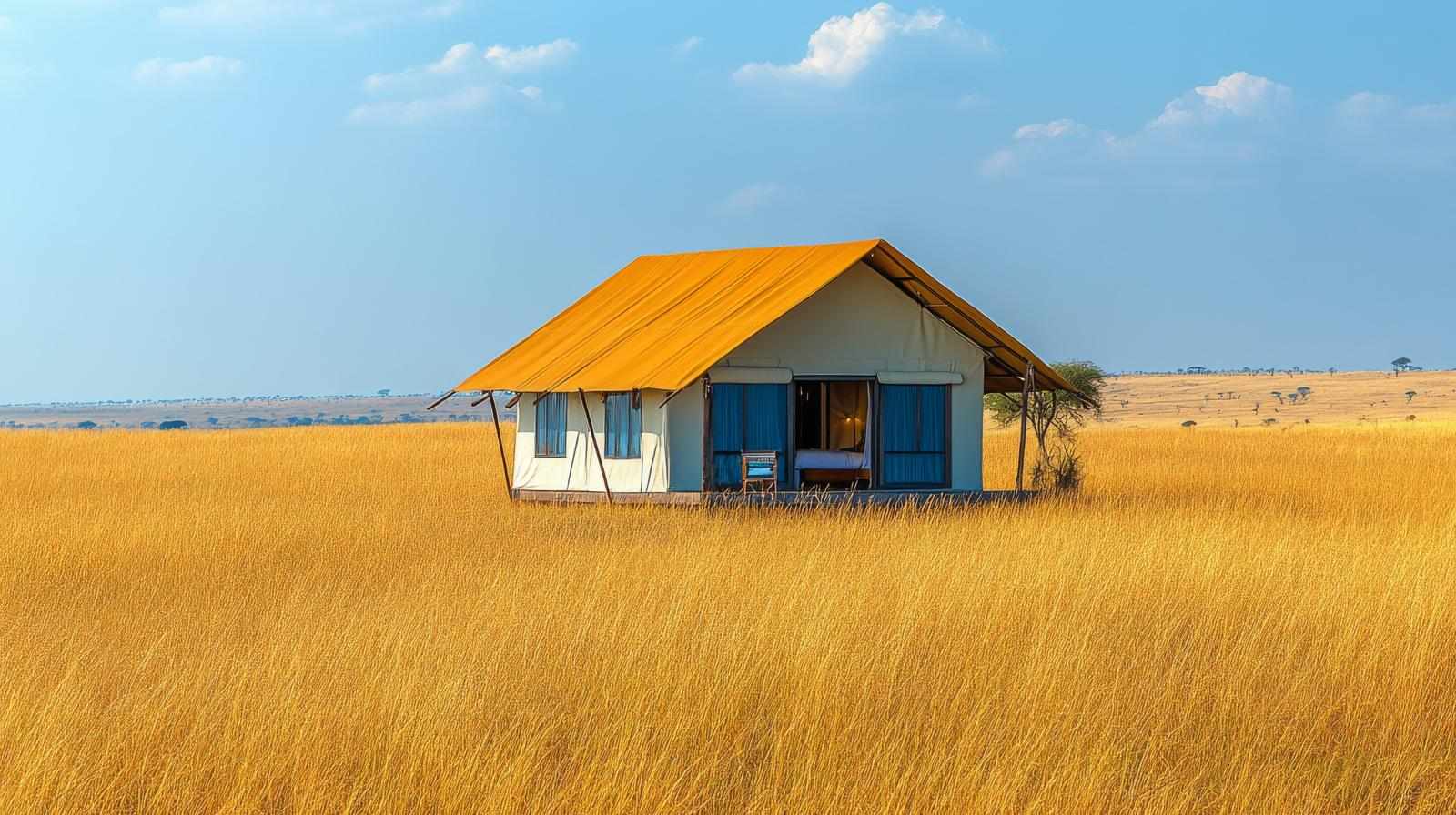
Tented Camps: This is the classic, immersive safari experience. Don't think of basic camping. These are luxury canvas tents, often built on a permanent platform, with full-size beds, en-suite bathrooms with flushing toilets, and hot showers. They are often unfenced, meaning you are truly in the wild (safely!) and might hear elephants munching or lions roaring in the distance at night. They tend to be smaller and more intimate.
Self-Drive vs. Guided Safari: Which is Right for You?
How you explore the bush also shapes your trip.
Self-Drive Safaris: This option gives you ultimate flexibility, freedom, and is often more budget-friendly. You rent your own vehicle (a 4x4 is often required) and navigate the parks at your own pace. This is very popular in South Africa (Kruger) and Namibia (Etosha), which have excellent road networks and signage. The "con" is that you lack an expert's eye—you'll be responsible for spotting all the animals yourself.
Guided Safaris: This is the classic experience. You are in an open-sided 4x4 with a professional guide and often a tracker. The "pros" are immense: your guide knows the park, understands animal behavior, and communicates with other guides to find the best sightings. You'll learn a huge amount about the flora and fauna. The "con" is that it's more expensive and you're on a set schedule.
For a first-time safari, a guided option is highly recommended to maximize your wildlife viewing and learning.
How Much Does an African Safari Cost?

This is the "how long is a piece of string" question. A safari can range from a budget-friendly camping trip to an ultra-luxury fly-in experience.
Budget: $200 - $350 USD per person, per day. This often involves group overland tours, basic camping, or self-driving (e.g., in South Africa or Namibia).
Mid-Range: $400 - $700 USD per person, per day. This is the sweet spot, with comfortable lodges, good food, and expert guides.
Luxury: $800 - $1,500+ USD per person, per day. This includes opulent tented camps, private guides, fly-in transfers, and exceptional service (common in places like Botswana).
Remember, most safaris are all-inclusive, covering your accommodation, all meals, park fees, and guided game drives.
When is the Best Time to Go on an African Safari?
As a general rule, the dry season (roughly June to October) is the best time for game viewing in most of East and Southern Africa (Kenya, Tanzania, Botswana, South Africa, Namibia). Why? The vegetation is thinner, and animals are forced to congregate around rivers and waterholes, making them much easier to find.
The exception is the "Green Season" (the wet season), which is fantastic for birdwatching, seeing newborn animals, and lush, beautiful landscapes with fewer crowds.
What Should I Pack for a Safari? (And What Not to Wear)
Packing correctly is key for comfort and even for wildlife viewing.
DO Pack:
Neutral Colors: Think khaki, beige, olive green, and brown. Animals can be startled by bright colors.
Layers: Morning game drives are cold, while afternoons are hot. Pack T-shirts, long-sleeved shirts, a fleece or warm jacket, and a beanie.
Sun Protection: A wide-brimmed hat, sunglasses, and high-SPF sunscreen are non-negotiable.
Good Binoculars: This is essential! Don't rely on your guide's pair. A good 8x42 or 10x42 pair will transform your experience.
Camera: With extra batteries and memory cards.
DON'T Pack:
Bright Colors: (Especially white and red). They make you stand out.
Dark Colors (Blue/Black): These colors are known to attract tsetse flies in certain areas.
Camouflage: In many African countries, camouflage clothing is illegal for civilians to wear.
Plastic Bags: Many countries, including Kenya, Tanzania, and Rwanda, have banned single-use plastic bags.
What About Health and Vaccinations?

This is a critical part of your planning.
Consult a Travel Doctor: See a travel health specialist at least 4-6 weeks before your trip. They will give you the most up-to-date advice.
Malaria: Most of the safari destinations (outside of the specific malaria-free zones in South Africa) are in malarial areas. Your doctor will likely prescribe antimalarial medication.
Yellow Fever: A Yellow Fever vaccination and certificate are mandatory for entry into some countries (like Uganda) and required for travel between certain countries (for example, if you travel from Kenya to SouthArica).
Routine Vaccines: Ensure all your routine immunizations (like Tetanus, MMR, etc.) are up to date. Your doctor may also recommend others like Hepatitis A and Typhoid.
Is an African Safari Safe for Tourists?
This is a very common and understandable question. The answer is overwhelmingly yes, a well-planned safari is very safe.
In-Camp Safety: Lodges and camps are designed with safety as the top priority. Fenced camps keep animals out. Unfenced camps have strict rules (like not walking alone at night) and have staff to escort you to and from your tent after dark.
Game Drive Safety: You are in a vehicle with a professional guide who is highly trained in animal behavior. The animals view the vehicle as a single, non-threatening object. As long as you follow the rules—stay seated, don't make loud noises, and never get out of the vehicle—you are extremely safe.
General Crime: Safari parks and reserves are remote, secure areas, far from any urban crime centers.
What's the Best Safari for Families?
Taking children on safari creates lifelong memories. The best family safaris often include:
Malaria-Free Zones: South Africa's Eastern Cape, Madikwe, and Pilanesberg reserves are the top choice for families with younger children, as no malaria medication is needed.
Family-Friendly Lodges: Many lodges (especially in Kenya and South Africa) have "Cubs" or "Junior Ranger" programs, with special activities like guided walks, tracking lessons, and learning to make a fire.
Shorter Travel Times: South Africa is often easiest, as you can fly into a major city (like Johannesburg) and be in a park within a few hours' drive, minimizing long, dusty transfers.
How Can I Be an Ethical and Responsible Tourist?
Your trip can have a powerful positive impact.
Choose Eco-Conscious Lodges: Look for operators that are actively involved in conservation, run on solar power, minimize waste, and have a low environmental footprint.
Support Local Communities: Choose camps that are owned by or partner with local communities, ensuring that tourism revenue directly supports the people who live alongside the wildlife.
Respecting the Wildlife: This is paramount. Never ask your guide to get too close to an animal, chase it, or crowd it. Be quiet at sightings. Never feed any wild animal.
Avoid Unethical "Sanctuaries": Be wary of places that offer "hands-on" encounters like walking with lions or cub petting, as these are often linked to unethical breeding practices. True wildlife sanctuaries focus on rehabilitation, not entertainment.
Conclusion: Your African Adventure Awaits
A safari is an investment—an investment in memories that will last a lifetime. It recalibrates your sense of wonder and gives you a powerful new perspective on our planet. Whether you choose the endless plains, the desert dunes, or the jungle-clad volcanoes, your African adventure is waiting. All you have to do is take the first step.


Write a comment ...